
Non-Surgical
Our non-surgical periodontal treatments are designed to stop gum disease in its early to moderate stages using effective, minimally invasive techniques. These therapies focus on removing harmful bacteria, reducing inflammation, and allowing your gums to heal without the need for surgery. Through treatments like scaling and root planing and localized antibiotic therapy, we can restore gum health, prevent further damage, and help you maintain a strong foundation for your smile—all while prioritizing your comfort and long-term oral health.
Scaling and Root Planing
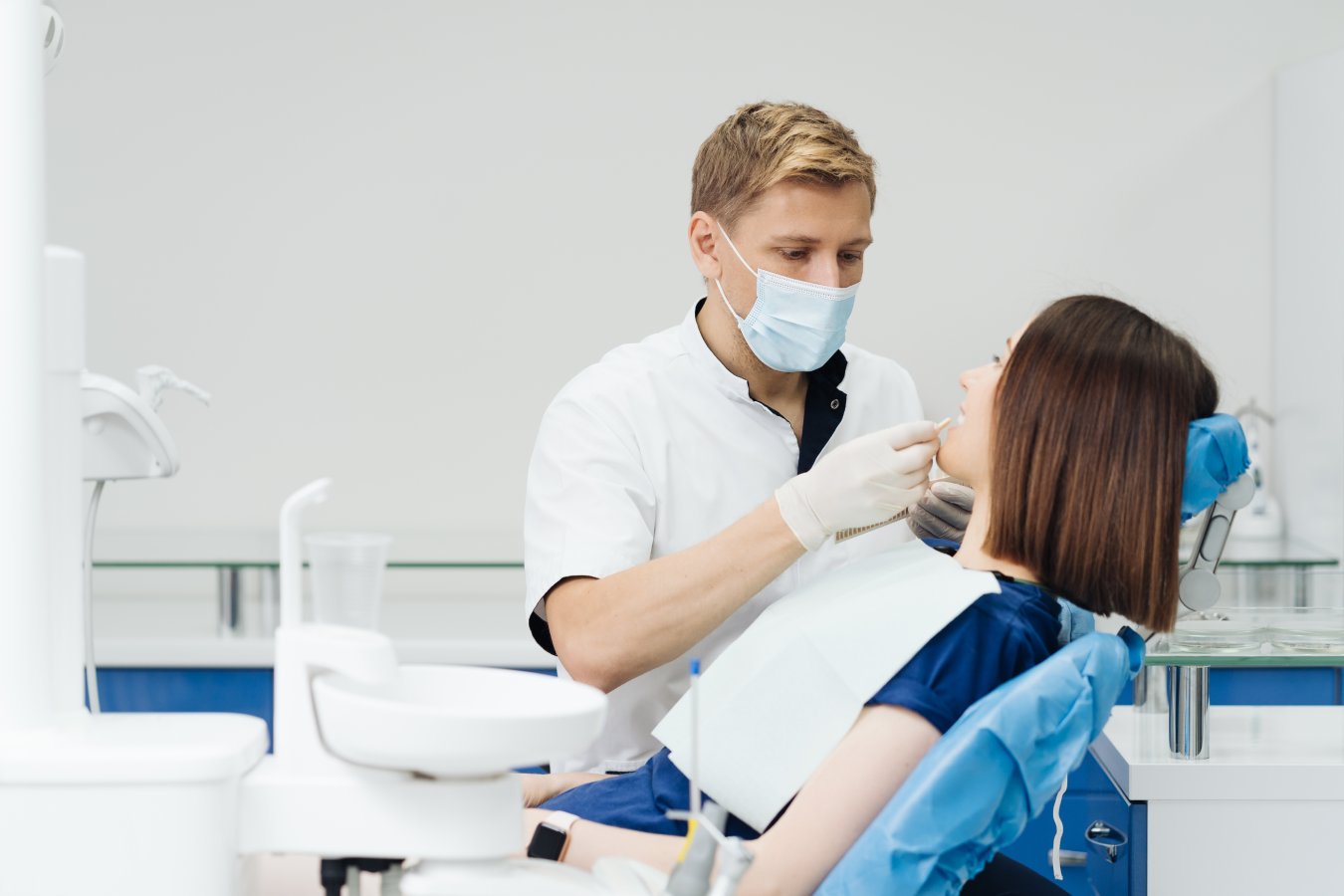
Scaling and root planing is a highly effective, non-surgical treatment used to address gum disease (periodontitis) in its earlier stages. Often referred to as a “deep cleaning,” this procedure goes beyond a routine dental cleaning to target harmful bacteria below the gumline.
When plaque and tartar build up beneath the gums, they can cause inflammation, infection, and damage to the supporting structures of the teeth. Scaling and root planing works to gently remove this buildup from both the tooth surfaces and the root areas, where bacteria tend to thrive.
The treatment is typically completed in sections of the mouth and may involve local anesthesia to ensure your comfort. It includes two key steps:
- Scaling: Removing plaque and tartar from above and below the gumline
- Root Planing: Smoothing the tooth roots to help the gums reattach and heal properly
By eliminating bacteria and creating a clean surface, this treatment allows the gums to heal and reduces the depth of periodontal pockets.
Benefits of scaling and root planing include:
- Reduced gum inflammation and bleeding
- Prevention of further bone and tissue loss
- Improved gum attachment to the teeth
- Lower risk of tooth loss
After treatment, we may recommend more frequent maintenance cleanings and personalized home care to help keep your gums healthy long-term. Scaling and root planing is an important step in stopping gum disease progression and protecting your overall oral health.
Localized antibiotic therapy
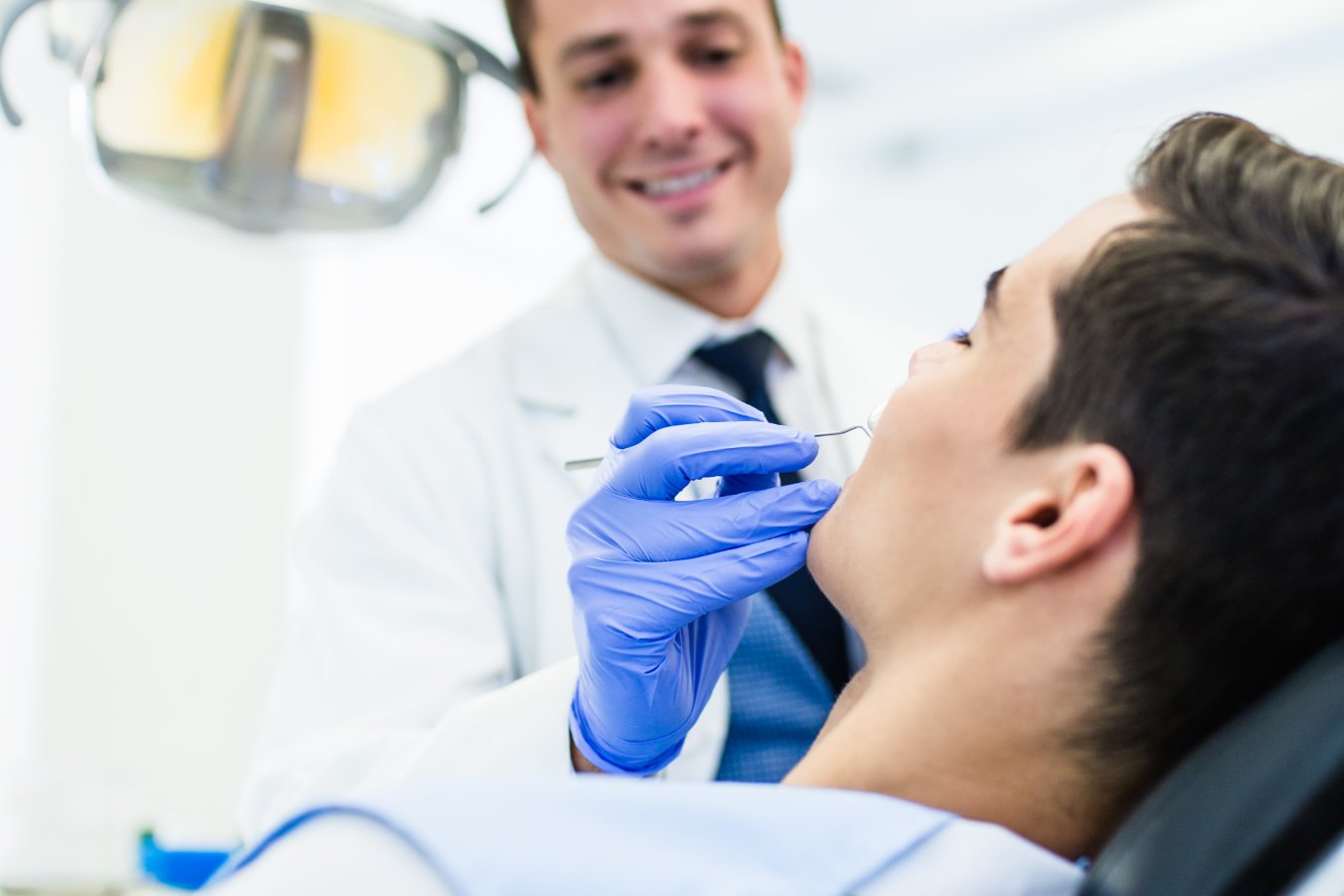
Localized antibiotic therapy is a targeted, non-surgical treatment used alongside procedures like scaling and root planing to help control bacterial infection in the gums. This therapy involves placing a small amount of antibiotic medication directly into periodontal pockets—the areas where harmful bacteria are most active.
Unlike oral antibiotics that affect the entire body, localized antibiotic therapy delivers medication exactly where it’s needed, allowing for a more focused and effective approach with minimal systemic impact.
This treatment helps:
- Reduce harmful bacteria below the gumline
- Decrease inflammation and infection
- Support healing of gum tissue
- Enhance the effectiveness of deep cleaning procedures
The application process is quick and comfortable, and the medication is designed to slowly release over time, continuing to fight bacteria even after your appointment.
Localized antibiotic therapy is often recommended for patients with moderate gum disease or persistent areas of infection, helping to improve treatment outcomes without the need for more invasive procedures.
As part of a comprehensive periodontal care plan, this therapy supports healthier gums and helps protect the foundation of your smile.
Surgical
When gum disease has progressed or more advanced care is needed, our surgical periodontal treatments provide targeted solutions to rebuild, restore, and protect the supporting structures of your teeth. These procedures address deeper infection, bone loss, and gum recession, helping to preserve your natural teeth and improve both function and aesthetics. Using advanced techniques and a personalized approach, our team delivers precise, effective care designed to achieve lasting results and support your overall oral health.

Osseous Surgery
Osseous surgery, also known as pocket reduction surgery, is a periodontal procedure used to treat moderate to advanced gum disease when non-surgical treatments are no longer sufficient. This procedure focuses on eliminating deep pockets of bacteria around the teeth and reshaping the underlying bone to support long-term gum health.
As gum disease progresses, bacteria can create deep spaces between the teeth and gums where infection thrives. These areas are difficult to clean with routine care alone. During osseous surgery, the gums are gently lifted to allow access to these areas, where infected tissue and bacteria are removed.
The underlying bone may then be smoothed and reshaped to reduce irregularities that can harbor bacteria. Once complete, the gums are repositioned to fit more closely around the teeth, making it easier to maintain oral hygiene moving forward.
Benefits of osseous surgery include:
- Reduction of periodontal pocket depth
- Elimination of harmful bacteria
- Improved gum attachment and stability
- Lower risk of tooth loss
This procedure is an important step in restoring gum health and preserving the foundation of your smile.
Gum Grafting
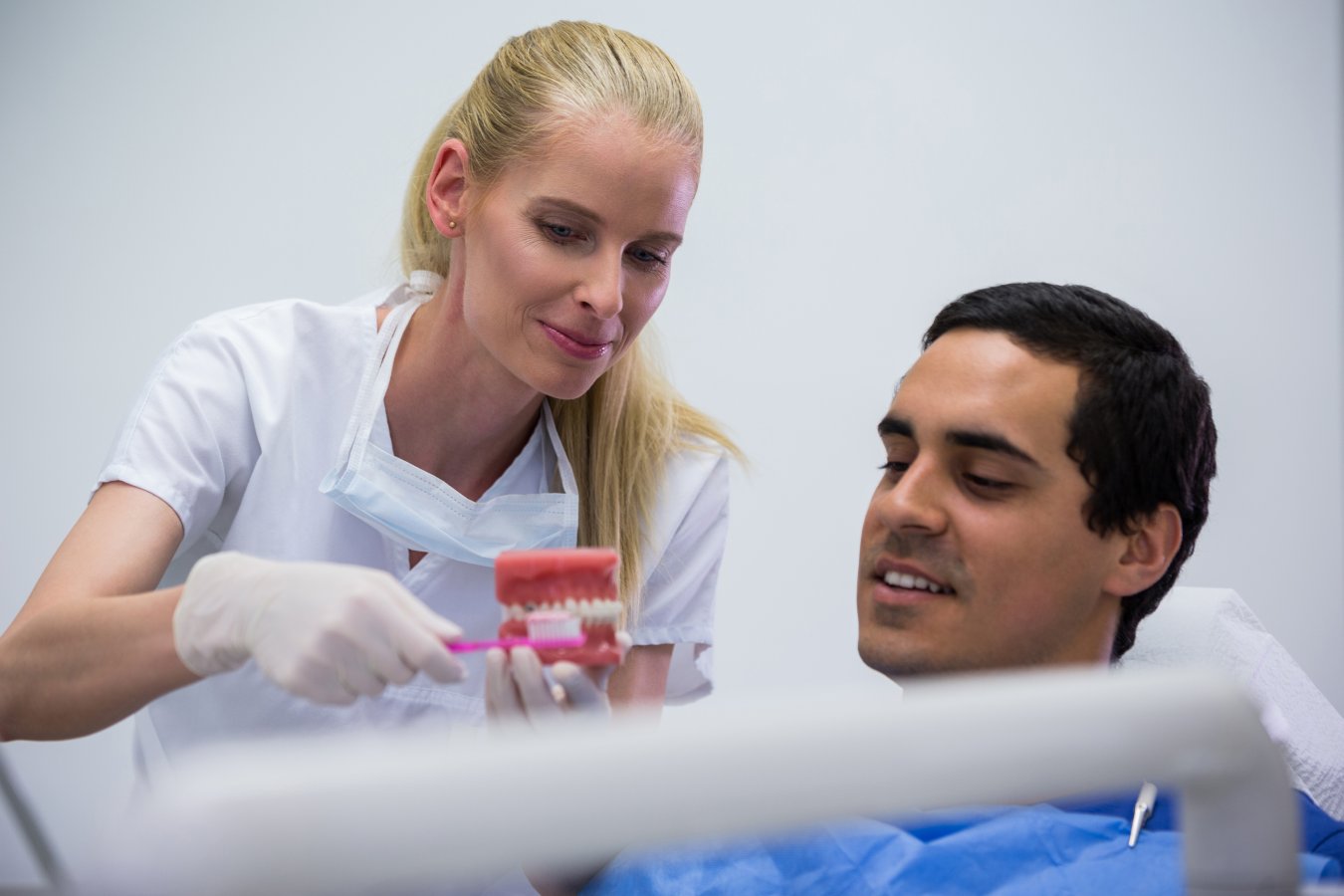
Gum grafting is a surgical procedure used to treat gum recession, a condition where the gum tissue pulls away from the teeth, exposing the roots. Recession can lead to sensitivity, increased risk of decay, and changes in the appearance of your smile.
During a gum grafting procedure, healthy tissue—often taken from another area of your mouth—is carefully placed over the exposed root surfaces. This helps restore the gumline, protect the teeth, and improve overall aesthetics.
Gum grafting may be recommended to:
- Reduce tooth sensitivity
- Protect exposed roots from decay and damage
- Prevent further gum recession
- Improve the appearance of the smile
In addition to improving oral health, gum grafting can create a more balanced, natural-looking gumline. With proper care, results are long-lasting and can significantly enhance both comfort and confidence.
Ridge Augmentation
Ridge augmentation is a procedure used to restore the natural shape and structure of the jawbone after tooth loss. When a tooth is missing, the surrounding bone can begin to shrink over time, which may affect both the appearance of your smile and your ability to receive dental implants.
This procedure rebuilds the bone in the affected area, creating a stronger and more stable foundation for future restorations. Ridge augmentation is often recommended before placing dental implants or to improve the overall contour of the gums and jaw.
During the procedure, bone grafting material is placed in the area where bone has been lost. Over time, this material integrates with your natural bone, restoring volume and strength.
Benefits of ridge augmentation include:
- Improved support for dental implants
- Enhanced facial and smile aesthetics
- Prevention of further bone loss
- Restoration of natural jaw contours
By rebuilding the foundation of your smile, ridge augmentation helps ensure long-term success for restorative treatments.
Bone Grafting
Bone grafting is a procedure used to restore or strengthen areas of the jawbone that have been weakened or lost due to tooth loss, gum disease, or trauma. Healthy bone is essential for supporting teeth and dental implants, making this procedure an important step in many treatment plans.
During a bone graft, specialized material is placed in the area where bone is lacking. Over time, this material encourages your body to regenerate natural bone, creating a stronger and more stable foundation.
Bone grafting is commonly recommended for:
- Preparing for dental implant placement
- Preventing bone loss after tooth extraction
- Supporting overall oral health and structure
By rebuilding lost bone, this procedure helps maintain facial structure, improve oral function, and increase the success of future dental treatments.

Sinus Lift
A sinus lift is a specialized bone grafting procedure that increases the amount of bone in the upper jaw, specifically in the area of the molars and premolars. It is often necessary when there is not enough bone height to support dental implants due to the proximity of the sinus cavity.
During the procedure, the sinus membrane is gently lifted, and bone grafting material is placed beneath it. This creates additional space for new bone to develop, providing the support needed for successful implant placement.
A sinus lift may be recommended if:
- Bone loss has occurred in the upper jaw
- The sinuses are too close to the jaw for implant placement
- Long-term tooth loss has reduced available bone
This procedure plays a key role in expanding implant options for patients who may not otherwise be candidates, helping restore both function and confidence in their smile.
Cosmetic Crown Lengthening
Cosmetic crown lengthening is a procedure designed to improve the appearance of a “gummy smile” or to expose more of the natural tooth structure. This treatment creates a more balanced and proportionate smile by carefully reshaping the gum tissue—and sometimes the underlying bone.
During the procedure, excess gum tissue is gently removed and sculpted to reveal more of the tooth surface. In some cases, minor adjustments to the bone may also be made to achieve optimal results.
Cosmetic crown lengthening can:
- Enhance the appearance of short or uneven teeth
- Create a more balanced, symmetrical smile
- Improve the fit and function of restorations like crowns or veneers
In addition to cosmetic benefits, crown lengthening may also be performed to prepare a tooth for restorative treatment when there is not enough exposed structure.
The result is a more natural, aesthetically pleasing smile that complements your facial features while supporting long-term oral health.